
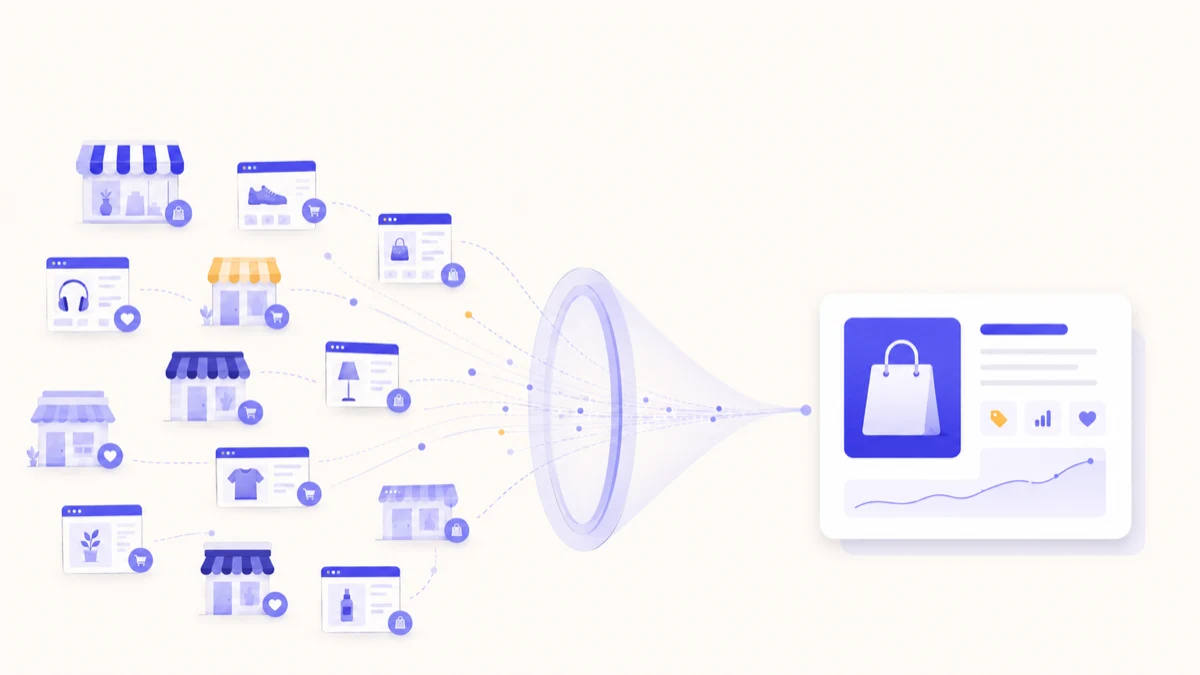
You find the perfect shop to promote. Good products, a real affiliate program, a page you would happily link to. Then you look for a way in. No Amazon. No network. No API. No product feed.
A dead end.
That dead end is the reason Affiliate Egg exists. And with version 11, it reaches much further than it used to.
Why Affiliate Egg used to say “no”
Here is the honest part.
For years, Affiliate Egg worked from a list. I wrote a parser for each shop by hand — a small set of rules telling the plugin where to find the title, the price, the image. The plugin shipped with about 150 of them. And whenever someone needed a shop I did not cover, I wrote a new one. Over the years, that added up to more than 1,800 custom parsers, one shop at a time.
A parser is not magic. It is instructions I typed. And instructions break. A shop redesigns its product page, the old rules stop matching, and the parser goes quiet. Then a support email arrives, and I fix it.
That was the treadmill. Worse, your shop was “supported” only if I had already written its parser. If I had not, you waited — or you paid for a custom one. On a web of millions of stores, a hand-written list was never going to keep up.
What changed in version 11
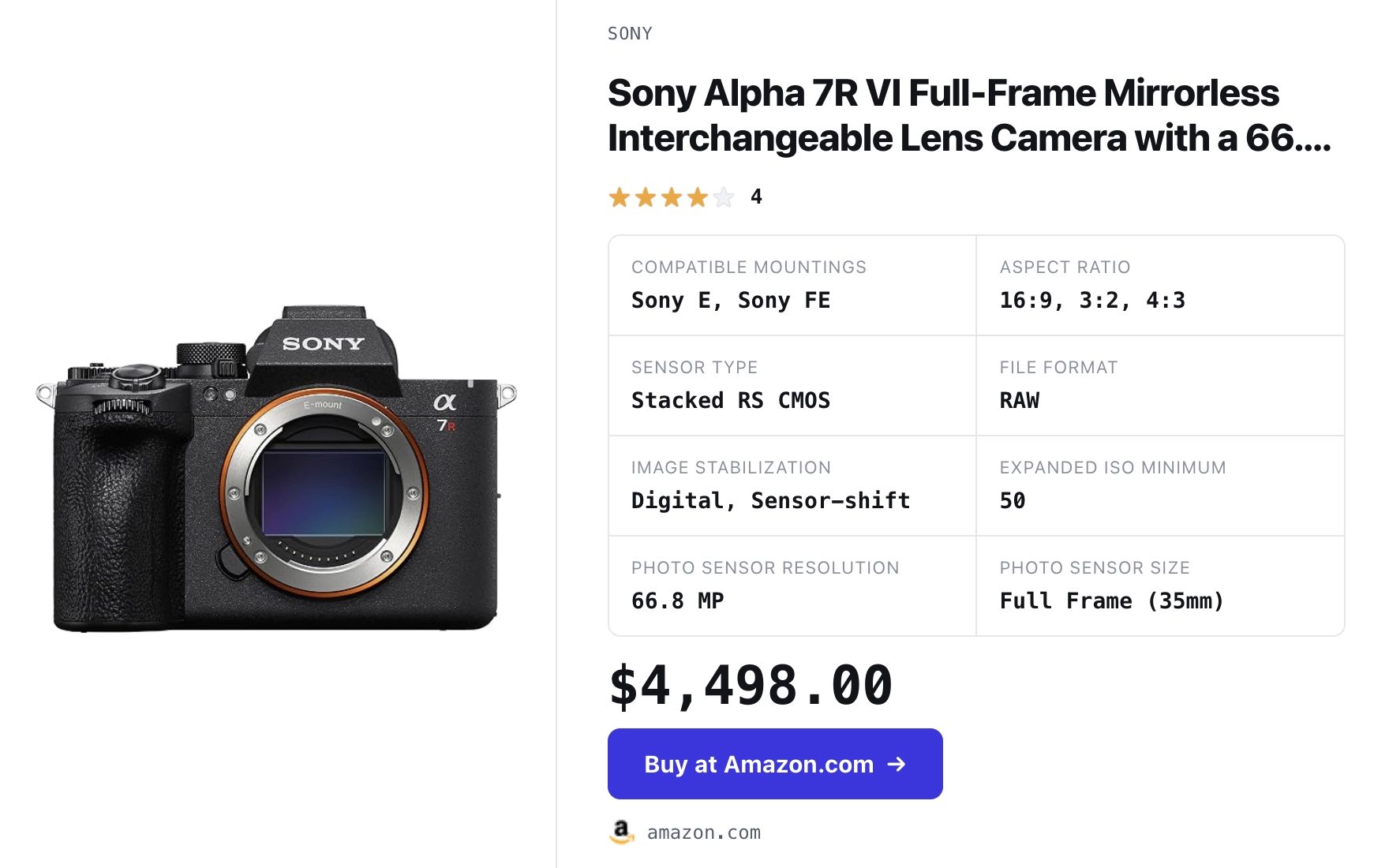
Most modern stores already describe their products in a language machines can read. It is called structured data — LD+JSON and microdata — and shops add it so Google can show prices and ratings in search results.
They are already publishing the exact data I was writing parsers to scrape.
So version 11 reads that first. Paste a product link, and if the shop publishes structured data — most do — Affiliate Egg reads the title, price, image and stock straight from it. No parser required. No waiting on me.
Affiliate Egg is no longer a fixed list of shops. It is closer to “paste a link, and it usually just works.” When a shop does not publish clean data, it falls back to a trained general parser, and then to a dedicated one. I explain how those layers stack on the product page.
What this means for you
You do not have to ask me whether a shop is supported. You can find out in ten seconds: paste a product URL and see if it reads.
You can mix shops in one storefront and build a real price comparison. You are not limited to the names I happened to add.
And when a shop is stubborn, you still have options. More on that in a moment.
Two more things I added
Version 11 is not only about parsing.
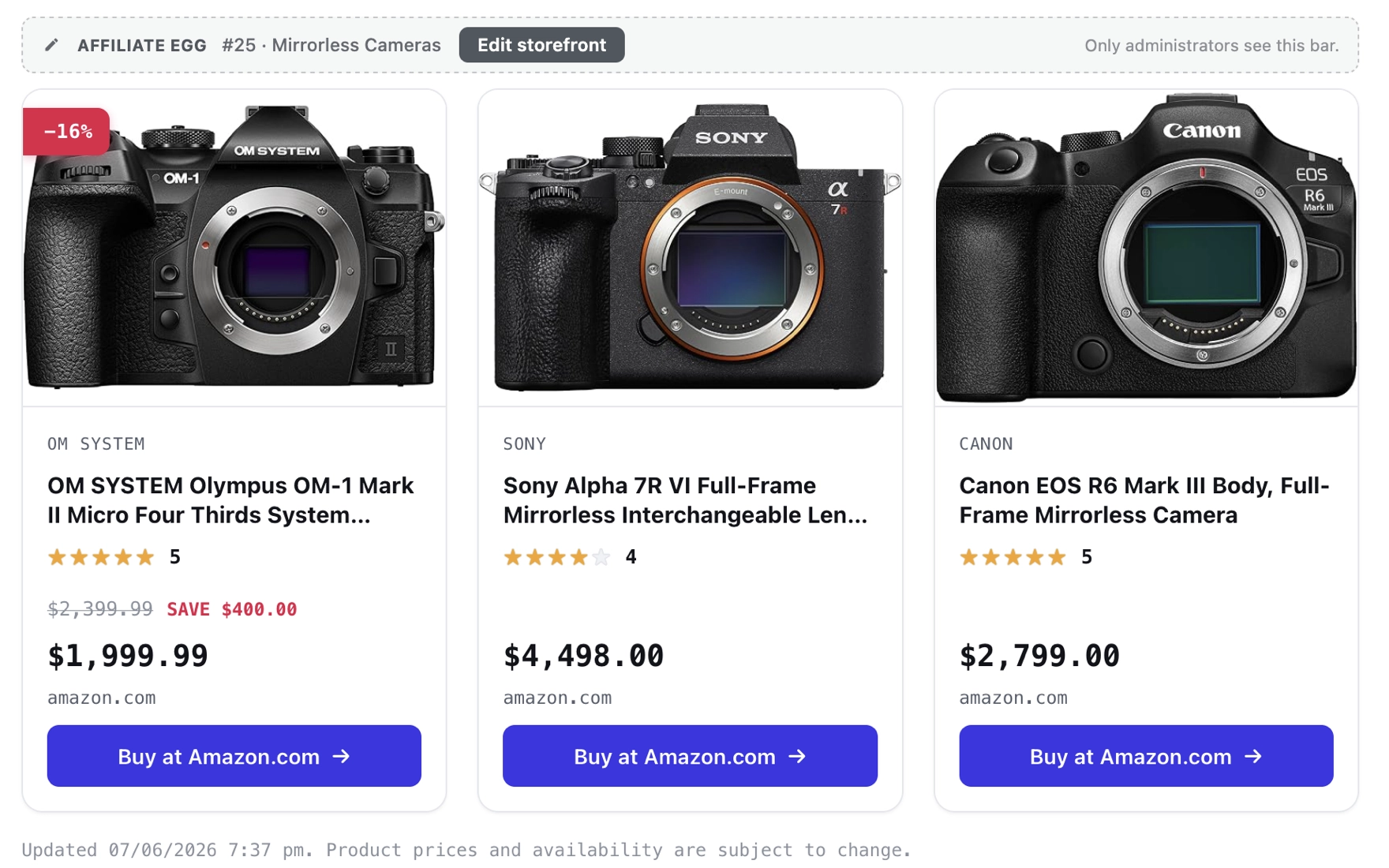
There is a new set of product templates — Cards grid, Product box, Top list, Price comparison, and an Inline pick you can drop into the middle of an article. They are clean, mobile-friendly, and they inherit your theme’s fonts. See them in the demo page.
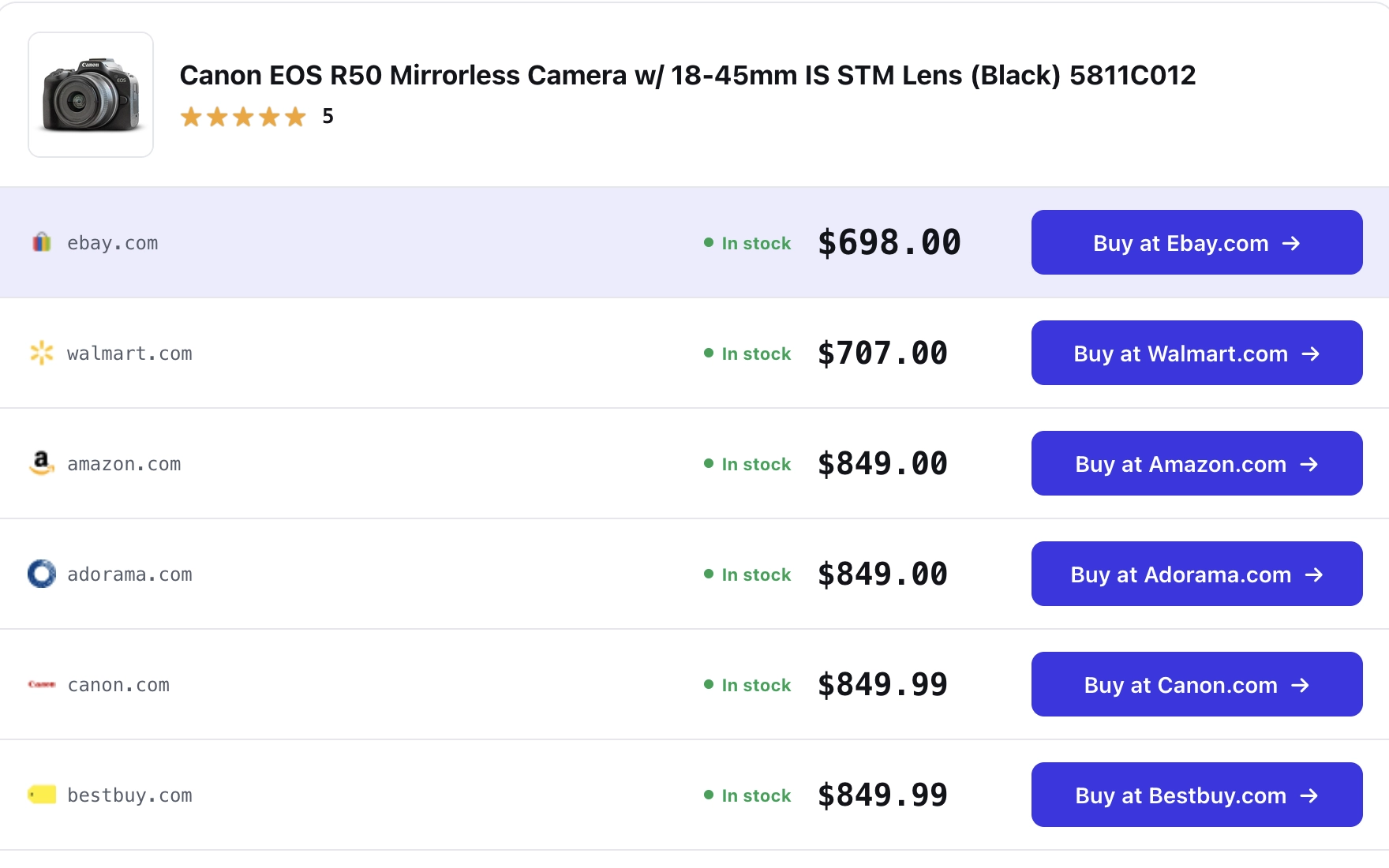
And Affiliate Egg now plugs into Content Egg. Connect almost any store as a Content Egg module by its domain, and you get keyword search and price comparison on top. Here is how the integration works.
Where it still struggles
I will not oversell this.
Affiliate Egg reads live web pages, and some pages fight back. A few shops block automated requests. Some build their listings with JavaScript, so the data is not in the page I receive. A handful hide their product details from everyone, search engines included.
When that happens, the path is clear. Reach for a direct product URL over a category page. Turn on a scraping service for a shop that blocks. And for the rare store that needs it, I still write custom parsers by hand — that option did not go away, it just stopped being the default.
Get the update
This is the version of Affiliate Egg I wanted to ship for years. Less a list of shops, more a tool that reads the web as it actually is.
If you already own Affiliate Egg, update from your dashboard. If you do not, you can get it here, read the full changelog, or browse the docs.
Thanks for using it. It is still just me back here — and every new shop you connect tells me the rewrite was worth it.

With 20 years in affiliate marketing, Serge creates practical WordPress tools such as Content Egg and External Importer that help publishers manage and grow their affiliate sites.